New ASTM guide recommends annual inspections of school gym equipment
Key Highlights
- The guide recommends at least one annual inspection and servicing of gym equipment to identify wear and prevent mechanical failure.
- It covers key equipment such as basketball backstops, volleyball systems, divider curtains, and wrestling lifts, emphasizing safety and performance.
- While voluntary, compliance with ASTM standards can help mitigate liability and promote best practices in gym maintenance.
- The standard encourages detailed record-keeping of inspections and maintenance activities to track equipment condition over time.
- F3783 complements other safety standards by focusing specifically on mechanical systems, not electrical or fire safety requirements.
School facilities teams have a new industry guide for inspecting and maintaining permanently installed gymnasium equipment, including some of the large mechanical systems suspended above students, athletes, and spectators. Earlier this year, ASTM International published F3783-26, Standard Guide for Inspections and Maintenance of Permanently Installed Indoor Gymnasium Equipment—a 14-page guide that’s intended to help owners and operators of schools and other athletic facilities establish practices for inspecting, servicing, and maintaining mechanical gym equipment.
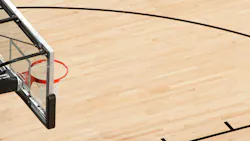
The guide covers ceiling-suspended and wall-mounted basketball backstops, ceiling-suspended volleyball systems, gymnasium divider curtains, and wrestling mat lifting and storage systems—equipment that is often very heavy and can pose risks of injury if not maintained properly.
ASTM says the equipment addressed by the guide consists of mechanical systems that can wear or deteriorate through normal use. Mechanical failure can lead to property damage or bodily injury, which makes periodic inspection, maintenance, and service essential to continued safe operation. Other types of permanently installed athletic equipment may fall outside the scope of this publication.
Neal Turner, CSI, CCPR, LEED®AP, Director - Product Line Development for Draper and chair of ASTM Subcommittee F08.69 on Commercially Installed Sports Specific Equipment, which created the standard, said in a press release:
“Although ASTM standards are not laws, and there is no enforcement body, insurers and other risk-loss prevention organizations will more than likely begin encouraging clients to comply to mitigate exposure to liability in case of an accident. We want all gym dealers to educate and inform schools and other customers about this important new standard, and to encourage facility operators to schedule annual inspections and service to promote safety and confidence in the industry.”
Annual inspections provide a maintenance baseline
The handbook, which was developed with input from gym equipment manufacturers, installers, service technicians, facility operators, and other stakeholders, recommends that covered equipment be inspected and serviced as needed at least once each year, according to Draper. It also provides guidance on what to inspect, what steps to take when problems are identified, and maintaining records of inspections and service.
ASTM describes F3783 as a guide rather than a specification. Instead of establishing detailed criteria or tolerances, it provides a broader framework for considering inspection, maintenance, and service practices intended to improve equipment safety and performance.
Mechanical inspections don't replace other safety requirements
F3783 focuses specifically on the mechanical features and operation of the equipment it covers, but it doesn’t replace electrical, fire-safety, or other requirements established by separate codes, standards, or local regulations. ASTM suggests that facilities operators look to other standards for issues such as sports padding, curtain-fabric flame performance, netting, and electrical installations. Electrical work, for example, remains subject to applicable requirements of the National Electrical Code.