UConn to phase out most blue-light emergency phones, citing $6 million upgrade cost
Key Highlights
- UConn is replacing most blue-light emergency phones with mobile and digital communication options due to limited use and high maintenance costs.
- Only two calls in five years required public safety response, prompting reassessment of the legacy system’s value.
- The university will retain emergency phones in areas with unreliable cellular coverage, based on connectivity assessments.
- Other universities, like UMass Amherst, continue to maintain their emergency phones for visibility and direct access, highlighting differing safety strategies.
- Legal challenges have been filed against UConn’s decision, raising questions about infrastructure redundancy and campus safety priorities.

The University of Connecticut (UConn) announced that it is phasing out most of its blue-light emergency phones as it shifts toward mobile and digital emergency communications, citing limited use of the aging system and an estimated $6 million cost to bring it up to current standards.
The emergency kiosks were installed beginning in the mid-1990s to give students and others a direct connection to University Safety at a time when cellphone ownership and campus coverage were limited. In a report by the university, UConn now says widespread cellphone use, improved wireless service, and additional emergency communication options have made much of the legacy network obsolete.
The university spends at least $70,000 per year maintaining the system, and updating it to meet current operational, reliability, accessibility, and technology standards would cost an estimated $6 million, according to UConn.
Only two calls in five years required a public safety response
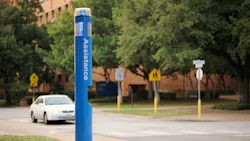
Rather than removing every kiosk, however, UConn says it will retain emergency phones in areas where cellular coverage is less reliable. The university is assessing connectivity at individual locations as it determines which phones will remain.
The change will place greater emphasis on the university’s LiveSafe mobile application, which enables users to contact the Emergency Communications Center through text, video, or phone calls. Connecticut’s 911 system also supports text-to-911, with those communications routed through UConn’s emergency center. QR codes at campus bus shelters encourage students to download LiveSafe in the event of emergencies.
UConn also operates a broader emergency notification system that distributes alerts through text messages, email, university websites and social media, along with outdoor sirens at the Storrs campus.
Other universities are keeping their blue-light systems
UConn’s decision reflects one way that campuses are responding to aging emergency communications infrastructure, but it’s certainly not a universal one. Several other institutions told CT Insider that they plan to retain their blue-light phones as one component of a larger campus safety system.
The University of Massachusetts Amherst, for example, has about 100 emergency phones and has no plans to remove them, while Connecticut State Community College, the University of Hartford, and Eastern Connecticut State University also said they intend to keep their systems, according to CT Insider.