Relationships at the heart of safety: How Edgewood High modernized campus preparedness
Key Highlights
- Edgewood High took a proactive stance by implementing silent, wearable panic alarms linked to first responders, rather than waiting for legislative mandates.
- Distinct alert options differentiate routine issues from critical emergencies, reducing alarm fatigue and ensuring appropriate responses.
- Location-tracking technology pinpoints staff during incidents, enabling faster, targeted assistance across the campus’s complex layout.
- Open incident management platforms integrate existing infrastructure, maximizing budget efficiency and ensuring seamless communication during emergencies.
- Key lessons include standardizing messaging, prioritizing ease of use, and extending safety protocols to visitor management to foster a comprehensive safety culture.
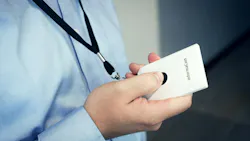
Across the K-12 landscape, safety expectations are rapidly shifting. Ten states have now passed Alyssa’s Law, which mandates silent emergency alert technology directly linking schools to first responders, while federal legislation continues to move through Congress. While many districts take a wait-and-see approach to compliance, administrators at Edgewood High School of the Sacred Heart in Madison, Wisconsin, took a proactive, mission-driven approach to modernizing campus emergency preparedness.
Founded nearly 150 years ago by the Dominican Sisters of Sinsinawa, Edgewood serves approximately 600 students and 100 faculty and staff on a century-old campus. The central challenge was clear: strengthen the school’s security infrastructure against modern threats without losing the warmth, heart, and sense of welcome that defines its learning environment.
By integrating wearable, silent panic alarm technology into their existing communications architecture, Edgewood established an operational blueprint that balances campus-wide protection, staff confidence, and financial stewardship. Here is how Edgewood approached its safety transformation, along with key takeaways for K-12 facilities leaders, administrators, and architects.
Proactive Adoption vs. Mandatory Compliance
Rather than waiting for state legislation to dictate their timeline, Edgewood leadership evaluated their operational layout and recognized a fundamental truth in school security: during a crisis, every second counts.
“Every product and protocol we bring in is an extension of the relationship we have with our community,” explains Kevin Rea, President of Edgewood High School. “School safety has always been important here, but we’ve taken a more purposeful approach the last several years.”
To lead this evolution, Edgewood created a new administrative role—Director of Facilities and Safety—and hired Tim Patton, a retired police captain and Edgewood alumnus. Patton arrived to find various safety tools in place that addressed specific needs but functioned in silos.
“We’re trying to achieve a culture of safety in everything we do,” says Patton. “We don’t have unlimited time or resources to prepare for an emergency. Our systems and our training need to be seamless, aligned, and simple, so that everyone has confidence in performing their role.”
Differentiating Incidents from Emergencies
A major hurdle in school safety design is “alarm fatigue.” When notification systems lack nuance, initiating an alert often results in a full-building disruption. Routing routine classroom issues or localized medical needs through the same high-urgency channels as major threats creates desensitization, anxiety, and unnecessary disturbances. People know something is happening, but they lack the context to understand the impact on them or the actions they should take. To solve this, Edgewood equipped its entire staff with wireless, wearable alert badges featuring distinct button-press options. This allows educators to handle daily classroom needs separately from severe, school-wide emergencies:
- Low-Severity/Daily Requests: A discreet button combination alerts internal response teams, such as administrators, school nurses, or facility leads, for localized medical assistance or student support, without alarming the rest of the campus.
- High-Severity/Critical Emergencies: A distinct multi-press sequence immediately initiates full emergency protocols and activates lockdown procedures.
“Any teacher is three presses away from another adult standing next to them in less than 60 seconds,” notes Patton.
For educators, having a multi-tiered tool transforms the emotional atmosphere of the classroom. Holly Guenther, a math teacher on the third floor of Edgewood’s oldest building, recalls that responding to classroom disruptions or medical events previously meant making a call and hoping someone answered, or sending a student down the hall for help.
“The badge has really changed how I feel in the classroom,” Guenther explains. “It’s made me feel safe.”
Pinpointing Help
One limitation of traditional panic buttons, whether wall-mounted, under a desk or accessed via a smartphone app, is a lack of mobility and location data. A button on a desk does no good when an incident occurs in a hallway, cafeteria, or gymnasium, or when it just signals need, and not where the need is. To ensure staff can request help from anywhere on campus, Edgewood’s wearable devices are supported by location-tracking technology mapped directly to the school’s floor plans. When a badge is activated, the system pinpoints the staff member across the facility’s complex, multi-story layout.
This real-time location context is immediately pushed to the nearest response leads. “It doesn’t matter where the admins are in the building. The closest one will come because it tells exactly where I am,” says Julie Grosse, main office assistant.
From a facility management standpoint, equipping every adult with mobile, location-aware technology creates a responsive, human-centered safety network. “It leverages our greatest asset, our people, and empowers them to be part of the safety culture,” Patton adds.
Maximizing Infrastructure Budgets
Budget constraints are a constant reality in education facility planning. Edgewood avoided the trap of buying into multiple proprietary, solutions that either don’t work well together, or require replacing otherwise functional equipment.
Instead, administrators chose an open incident management software platform that links wearable devices directly to their existing communications infrastructure. A single alert activation orchestrates an automated workflow across multiple endpoints simultaneously:
- IP Speakers and Paging: Broadcasting clear, zone-specific audio instructions.
- Digital Displays: Overriding screen content with visual alerts and color-coded instructions.
- Desktop and Mobile Devices: Alerting administrative workstations and staff smartphones instantly.
“There are probably fewer things at the school that aren’t directly tied into our notification platform,” notes Ben Mund, Director of Technology at Edgewood. “I can build any button for any type of notification and really control where it goes. That was a huge improvement for us.”
Practical Lessons
Edgewood’s experience offers clear, actionable guidance for administrators and facility planners:
- Shorten the Cognitive Distance: Edgewood standardized its emergency messaging on established frameworks like the Standard Response Protocol (SRP) from The “I Love U Guys” Foundation. Using identical language across audio broadcasts, visual signage, and regular drills ensures that staff instantly recognize what action to take.
- Prioritize Intuitive Ease of Use: Complex interfaces reduce compliance. Simple, wearable devices ensure high daily adoption. As President Kevin Rea notes: “The ease and efficiency of the badge means they don’t have to worry about all the rest. If there’s an issue, they just push the button several times, and they know what they’re going to get.”
- Extend Security to Visitor Access: A complete safety plan starts at the front door. Upgrading to automated visitor screening at vestibules eliminates long lines while giving office staff full visibility into who enters and leaves the facility. “People are confident that there’s a safety plan in place when they see we’re employing [modern visitor management],” Patton says. “It tells parents and community members that we take safety seriously without making the building feel fortified.”
A Model Modern School
Edgewood High School demonstrates that modernizing emergency preparedness does not require waiting for legislative mandates or replacing functional infrastructure. By taking a proactive approach centered on multi-tiered alerting, room-level location tracking, and open platform integration, school leaders can protect existing capital investments while fostering a culture of safety that supports their educational mission.
“To have every single faculty and staff member in the building have the ability to change the status of the building, and to understand what it means and what they are to do, is a game changer,” reflects Patton.
About the Author
Terry Swanson
Terry Swanson is president and CEO of Singlewire Software, developers of InformaCast, the InformaCast Wearable Alert Badge and Visitor Aware. Swanson has more than two decades of experience helping organizations implement the right technology to overcome their operational challenges.