Illinois school district authorizes lawsuits over HVAC problems at four elementary schools
Key Highlights
- The Board of Education approved a resolution authorizing litigation on Nov. 18.
- The district alleges HVAC failures caused classrooms to reach the low 50s during freezing weather and become excessively hot in warmer months.
- District-commissioned investigations reportedly identified undersized equipment, inadequate ventilation, insufficient pipe insulation, and poorly supported refrigerant piping.
- Quincy is seeking compensation for repairs or replacements, temporary heating and cooling, increased utility expenses, property damage, and related costs.
- The allegations have not been determined by a court, and the district says it will limit public comments while litigation proceeds.
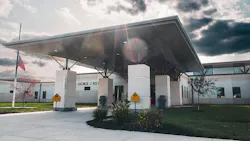
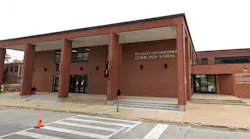
Quincy Public Schools in Illinois has authorized legal action over alleged defects in heating, ventilation, and air conditioning systems at four of its elementary schools in the wake of repeated equipment failures over several years that district officials say have disrupted classroom conditions and increased maintenance expenses. The district’s Board of Education approved a resolution on Nov. 18 authorizing the litigation over HVAC systems at Iles, Rooney, Baldwin, and Denman elementary schools.
According to WGEM’s reporting on the board action, the district asserts that its heating and cooling equipment has experienced repeated malfunctions, refrigerant leaks, and other problems that have made it difficult to maintain comfortable classroom temperatures for students and staff. In addition to the complaints, the board’s resolution also seeks compensation for costs associated with repairing or replacing the affected systems, as well as other expenses the district attributes to the alleged deficiencies.
HVAC failures reportedly caused extreme classroom temperatures
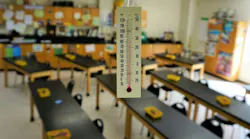
The district claims that HVAC systems at all five of its recently constructed elementary schools failed during freezing weather in January 2024, causing classroom temperatures to fall into the low 50s. According to the complaints, classrooms also experienced excessive heat during warmer months, and repeated compressor failures interrupted heating and cooling operations in the facilities named in the lawsuit. The district also pointed out that temporary electric heaters were needed to help maintain classroom temperatures during some outages.
Investigations commissioned by the district apparently identified several design and installation deficiencies that contributed to the equipment breakdowns, including improperly sized heating and cooling equipment, inadequate ventilation, insufficient pipe insulation, and improperly supported refrigerant piping. The complaints also describe refrigerant leaks from damaged or deteriorated piping at several schools and equipment failures that supposedly damaged building materials.
[Editor’s note: These are allegations contained in the district’s legal complaints, and responsibility for the reported problems has not been determined by a court of law at the time of publishing.]
Problems affect schools completed less than a decade ago
The HVAC disputes are particularly notable because the affected schools were completed relatively recently and should not have experienced these types of facility problems being so new. According to the district’s elementary school construction history, Quincy voters approved an $89 million bond issue in 2014 to support five elementary school projects and an expansion of Quincy High School.
Iles and Rooney elementary schools were completed for the 2018–19 academic year, while Baldwin and Denman were completed for the 2019–20 school year.
The district previously initiated separate legal proceedings involving HVAC problems at Lincoln-Douglas Elementary, which opened in 2017. That earlier dispute also concerned equipment failures, leaking refrigerant piping, and other mechanical problems that district officials had been investigating for several years. The latest legal action expands the district’s efforts to address HVAC performance concerns across its elementary school portfolio.