University of Oregon is closing 2 residence halls

Decline in housing demand prompts the university to close Barnhart and Riley halls.

Key Highlights

  • Barnhart Hall, built in 1966, will be closed in 2026-27 because of declining student demand.
  • Riley Hall, the university's smallest residence hall with a capacity of 150, may also remain unused next year.
  • The university projects a fall 2026 non-resident student cohort that is 400 fewer than the previous year.
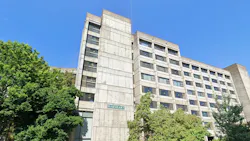
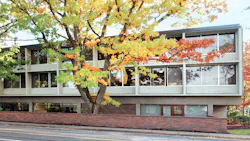
The University of Oregon in Eugene is planning to shutter two residence halls next year in anticipation of lower enrollment.

The Eugene Register-Guard reports that based on student tuition deposits, the university is projecting an incoming non-resident fall 2026 cohort of 1,888 students, more than 400 fewer than fall 2025. In addition to the non-resident decline, Oregon is also projecting a decline in resident students of about 50.

Associate Vice President for Student Services and Enrollment Management Michael Griffel sent an email to University Housing employees to tell them about reductions for the 2026-27 school year.

Early plans are for no students to occupy Barnhart Hall in 2026-27. Built in 1966, Barnhart Hall was previously privately owned, off-campus student housing. It was later bought by the state and allocated to the university. It can house 450 to 650 students.

Riley Hall may also be empty next school year. Griffel said plans call for using it as a "back-up overflow residence hall," meaning it will be occupied only if there is a higher than anticipated number of students who want to live on campus.

Built in 1964, Riley Hall is the smallest residence hall on campus with a capacity of 150. It originally was built by Sacred Heart Hospital to house nursing students. The university bought the hall in 1987.

Even as these two halls are headed toward disuse, the university continues to pursue new student housing.

In May, the Eugene City Council greenlit a plan to build two residence halls n the east edge of campus, despite discontent from neighbors. The Next Generation Housing Plan would provide around 3,400 additional beds and about 280 graduate or family housing beds.

About the Author

Mike Kennedy

Senior Editor

Mike Kennedy has been writing about education for American School & University since 1999. He also has reported on schools and other topics for The Chicago Tribune, The Kansas City Star, The Kansas City Times and City News Bureau of Chicago. He is a graduate of Michigan State University.

Sign up for our eNewsletters
Get the latest news and updates