Summer security upgrades for schools: Strategies to protect students and staff
Key Highlights
- Review and update emergency operations plans, policies, and procedures to establish a strong foundation for school safety.
- Build a diverse safety team including staff, students, parents, law enforcement, and industry experts to develop and enhance security strategies.
- Upgrade physical security measures such as doors, fencing, gates, and surveillance cameras to prevent unauthorized access and monitor grounds effectively.
- Implement or enhance access control systems, including electronic locks and monitoring, to restrict entry and improve security management.
- Strengthen communication systems for emergency alerts and routine operations to ensure rapid response and effective information dissemination.
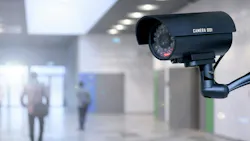
Schools and universities typically have fewer people on their campuses during the summer, so many facility managers try to schedule upgrades then. Security has become an increasingly important aspect of the school environment that administrators should be focusing on over the summer to enhance safety for students and staff.
Those improvements may include repairing and replacing doors, adding or upgrading fencing and gates on school property, installing or repositioning cameras to monitor buildings and grounds more effectively, and testing communications and alarm systems to make sure they are working properly.
The Cybersecurity & Infrastructure Security Agency (CISA) K-12 School Security Guide emphasizes a systems-based approach that creates layered security measures rather than isolated steps.
“A layered, systems-based approach to physical security ensures that (1) physical security equipment and technology, (2) site and building design features, (3) personnel and staff, (4) policies and procedures, and (5) training programs work cohesively to provide security benefits,” the guide says.
Looking at physical security, the CISA guide says a school’s focus should stress five elements:
- Equipment and technology
- Site and building design features
- School security personnel
- Policies and procedures
- Training, exercises and drills
Summer safety
The Partner Alliance for Safer Schools (PASS) has compiled a list of six areas for school systems to evaluate during the summer recess to bolster security in their facilities:
- Emergency operations plan
Schools should review their emergency operations plans and then build other risk assessment ideas into it. Comprehensive security plans and the policies and procedures created to put them in place will then form the foundation of school safety and security. Without proper policies and procedures, it is impossible to successfully use security technology and other security measures. Effective policies and procedures alone can mitigate risks, and there are often no costs associated with establishing them.
- Roles and training
Knowing what roles people will have if the worst-case scenario happens in a school can increase feelings of preparedness and buy-in, PASS says. Personnel (vigilant staff and students) make up the most critical component of each layer. All students and staff should be empowered to take effective action in emergencies and receive appropriate training and instructions relevant to a school or district’s safety processes, plans, technologies, and procedures.
Summer is the time to build this team, PASS says. It urges school systems to create an inclusive group of passionate people who will become the safety/security/emergency management planning team throughout the year. The team should include parents, teachers, law enforcement, fire officials, private industry, and students. “This diverse group can help lead you in developing or enhancing your security/emergency management procedures over the next year because they have perspectives you would have never thought of,” PASS says. “Additionally, they can be especially powerful in identifying and acquiring procurement resources.”
- Access control
Controlling access to school property, buildings, and classrooms is a primary security function and responsibility of school administrators. Mechanical locks have historically formed the base for any access-control system, but other critical elements should be considered. Many schools have invested in electronic access-control features. They can be an effective solution to prevent unauthorized intruders from getting into a building during school hours and for monitoring access points for the various layers.
- Video surveillance
In the past, video recordings were used primarily in a forensic capacity to help determine the who, what, when, and where of an incident after the fact. However, as surveillance technology has advanced, so have capabilities that enable security professionals to use video as a tool to help mitigate risks before and as they occur. PASS emphasizes that there is no such thing as a “one-size-fits-all” approach in in video surveillance. Designing an effective video surveillance system requires a collaborative approach involving multiple professionals.
- Detection and alarms
Traditional intrusion detection systems represent a key platform that has evolved beyond burglar alarms to provide the capability to report other types of emergencies and support an all-hazards approach to safety and security. The most crucial aspect of detection and alarm systems is that they provide the technological means to easily translate the detection of a security threat to a strategic notification that best fits with the processes and protocols put in place to respond to the dangers that schools face.
- Communication systems
Emergency communication is vital to the safety and security of the staff and students in schools. It is important to distinguish between emergency and routine communication systems. An emergency communication system is defined as “a system for the protection of life by indicating the existence of an emergency situation and communicating information necessary to facilitate an appropriate response and action.” Routine communication systems handle day-to-day communication on all matters outside this definition. This includes inspecting, repairing, and cataloging radio systems.