Ohio school district delays HVAC, roofing projects after voters reject operating levy
Key Highlights
- The levy received 44.38% of the vote, with 4,851 ballots in favor and 6,080 opposed; results await certification.
- The district has not yet identified which specific capital projects will be delayed, their costs, or how long work will be deferred.
- Spending reductions include a hiring freeze, limits on overtime and field trips, fewer summer school offerings, and suspended tutoring beginning January 2027.
- Facility utility costs rose from about $363,000 in fiscal 2016 to nearly $714,000 in fiscal 2026.
- The district’s situation underscores how operating shortfalls can delay preventive maintenance and increase the risk of costly repairs or disruptions.
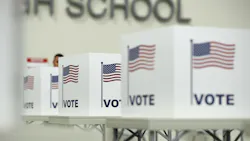
An Ohio school district is postponing roofing repairs, HVAC maintenance, and other facility improvements after voters rejected a proposed operating levy, illustrating how school funding shortfalls can affect building maintenance as well as classroom programs. Winton Woods City School District, which serves communities in the Cincinnati area, announced on Nov. 4 that it would implement a series of spending reductions after its 6.95-mill operating levy failed in the November 3 election.
According to the district’s official announcement, the measure received 44.38% of the vote, with 4,851 ballots cast in favor and 6,080 opposed. The results remain unofficial until certification by the Hamilton County Board of Elections, which are expected to be released on November 24.
Winton Woods’ Superintendent Steve Denny said in the announcement:
“We respect the decision our voters made, and I want to thank everyone who took the time to learn about the levy and cast a ballot. We shared this plan in October so that no one would be caught off guard, and now we're following through on it. We know these changes will be felt by our students, families, and staff. What hasn't changed is our commitment to every student who walks through our doors, and we'll keep our families and staff informed every step of the way.”
The proposed levy would have generated approximately $5.35 million annually to support day-to-day operations, including staffing, utilities, and instructional supplies, and would have been the district’s first increase in voter-approved local operating millage since 2009.
Facility maintenance among planned reductions
Under the district’s contingency plan, capital improvements involving paving, roofing, and heating, ventilation, and air conditioning systems will be suspended or delayed, and currently, the district hasn’t identified which specific building projects will be postponed, their estimated costs, or how long the work will be deferred. The reductions are part of a broader spending plan approved by the Board of Education in September and outlined publicly in an October 7 announcement.
The district made several changes that took effect immediately after the election, including the implementation of a hiring freeze, a restriction on overtime to emergencies and weather-related closures with superintendent approval, as well as the suspension of its Transportation Call Center. Additional reductions are scheduled for December 1, including restrictions on student clubs and extracurricular activities, reduced summer school offerings, and limits on field trips unless alternative funding is available.
Beginning January 1, 2027, the district will also suspend before- and after-school tutoring and enrichment programs. Other cost-saving measures include reducing professional development, limiting staff travel, using fewer substitute teachers where possible, and postponing certain curriculum purchases.
Operating budgets and building investments
The failed levy highlights the complicated relationship between school operating expenses and capital improvements. According to the district’s school funding explanation, operating levies support recurring expenses, including salaries, utilities, supplies, and other services needed to keep schools functioning. Bond issues, by contrast, generally finance construction and major building investments.