Philadelphia plan calls for closing 20 schools
Key Highlights
- The plan calls for closing 20 schools over the next decade.
- Nearly 160 school facilities will undergo upgrades.
- Funding for the $2.8 billion project relies on a mix of district funds and philanthropic investments.
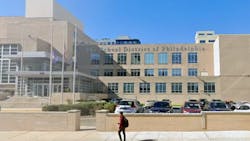
The Philadelphia school district wants to close 20 schools starting in 2027 as part of a reorganization plan that will affect one in three traditional district schools.
Chalkbeat Philadelphia reports that nearly 5,000 students would see their schools closed in the coming years. Another 2,800 students would have their schools moved to a new location following the district’s plan to relocate eight existing schools to different facilities.
More than 20 schools would add seats or grades to accommodate students from closed schools. The district also would open four new schools in existing buildings and upgrade infrastructure at nearly 160 school facilities.
The proposal would especially affect middle schools; more than a dozen elementary schools would become K-8 schools and absorb students from six closing middle schools.
Under the proposed changes, the district would close 20 school buildings over the next 10 years. It has specific plans to repurpose 12 for district use, including opening a year-round high school in one.
The district doesn’t have enough money on its own to pay for the plan. The school changes and upgrades would cost $2.8 billion, which the district wants to pay for with $1 billion in district funds and $1.8 billion in new public and philanthropic dollars.
Closing facilities will enable the district to address schools with empty seats. Many of the district's schools are below capacity by hundreds of students because of a long-term decline in district enrollment. Over the past decade, student numbers have declined by around 17,000 students, reflecting a citywide population decline and a jump in the number of students enrolled in cyber charter schools.
The buildings are also in disrepair. Crumbling asbestos, broken sinks, and poor ventilation plague the schools, which are on average more than 70 years old.
Superintendent Tony Watlington says the reorganization will improve the quality of education in the city’s schools.
“We must find ways to more efficiently use our resources, so we can push higher-quality programming into all our schools, while at the same time addressing under- and over-enrolled schools,” Watlington said.
About the Author
Mike Kennedy
Senior Editor
Mike Kennedy has been writing about education for American School & University since 1999. He also has reported on schools and other topics for The Chicago Tribune, The Kansas City Star, The Kansas City Times and City News Bureau of Chicago. He is a graduate of Michigan State University.